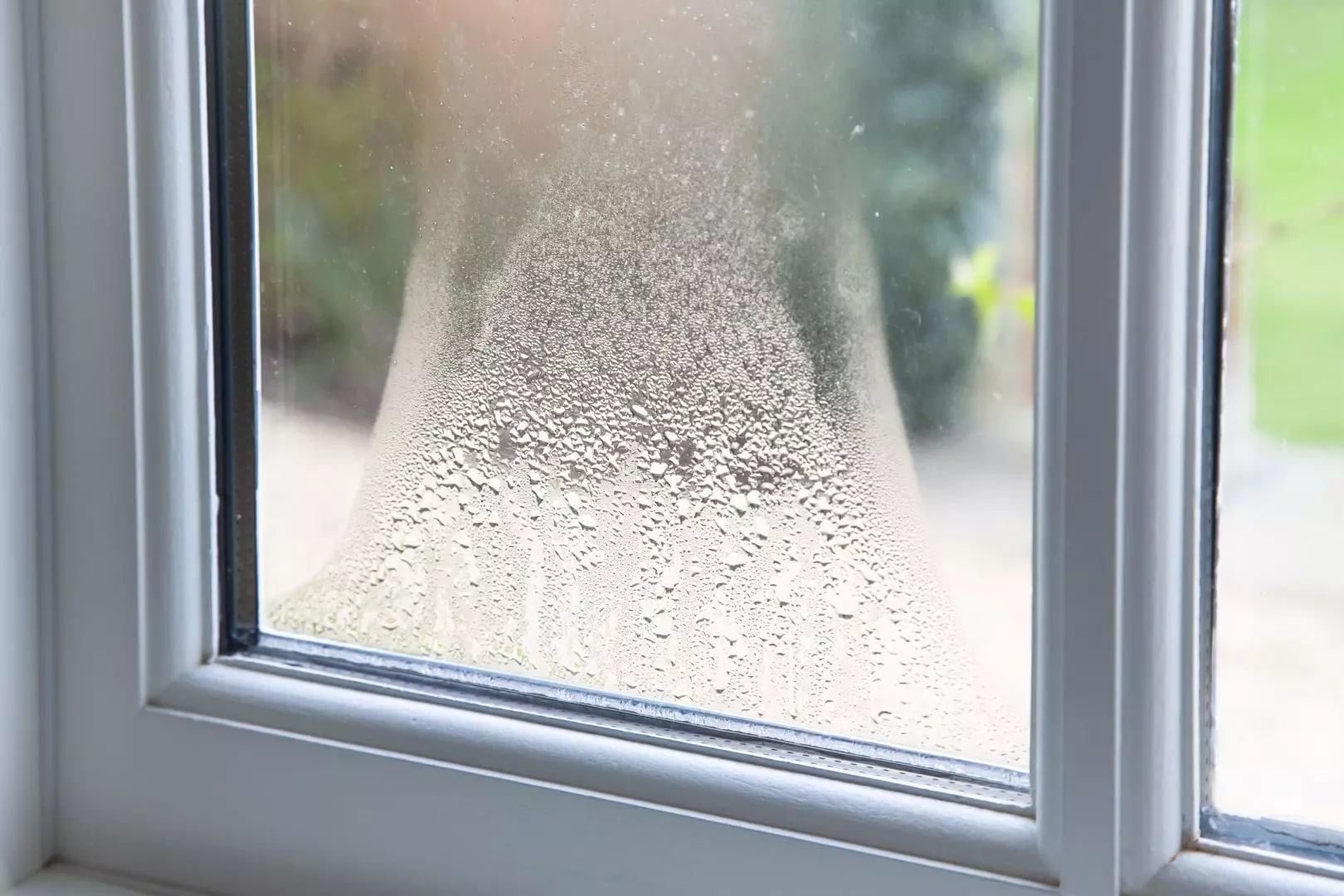
Learn about common problems with double glazed windows and how our repair services fix seals, draughts, and faulty hardware efficiently.
Broken or Failed Window Seals
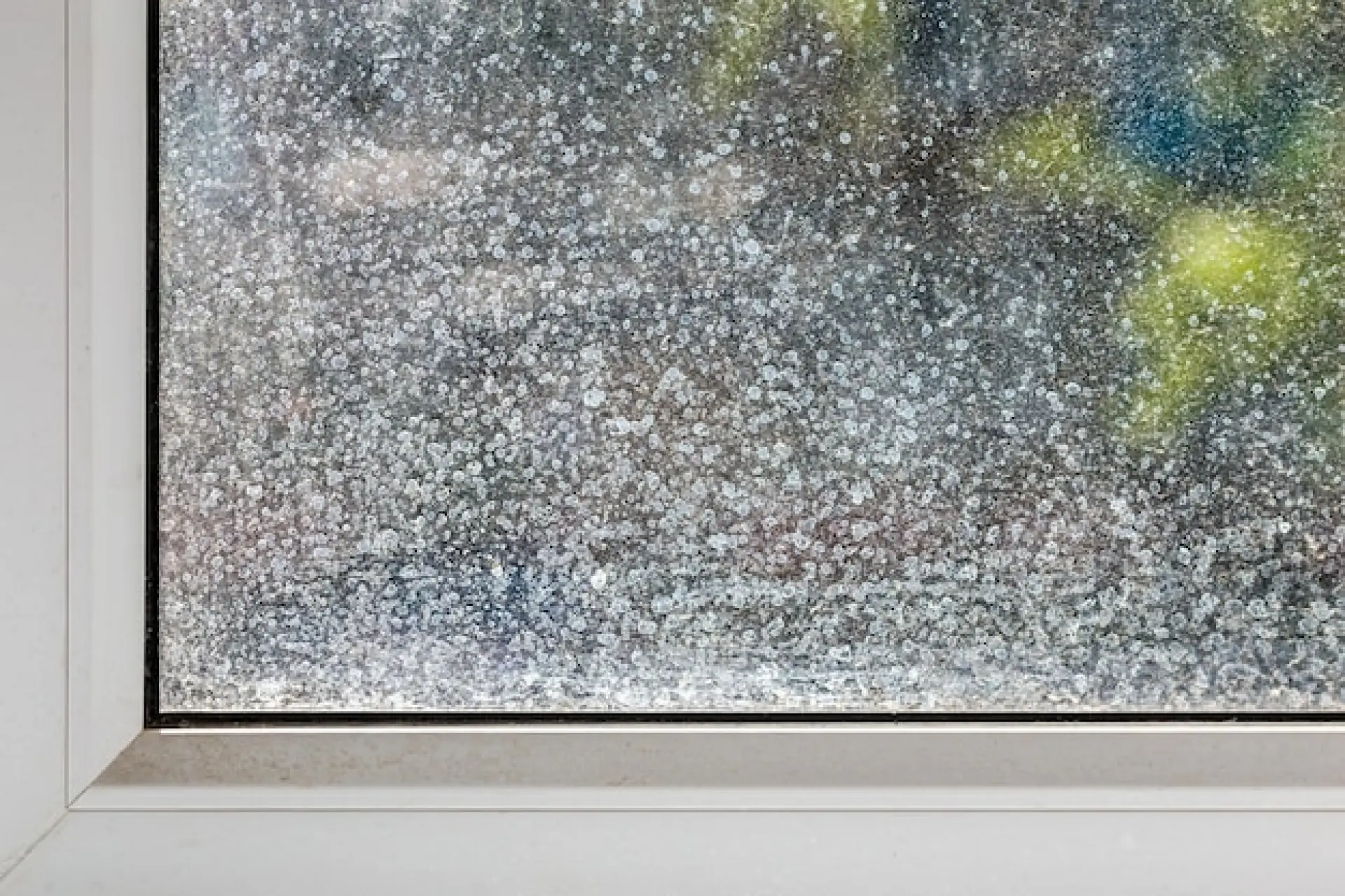
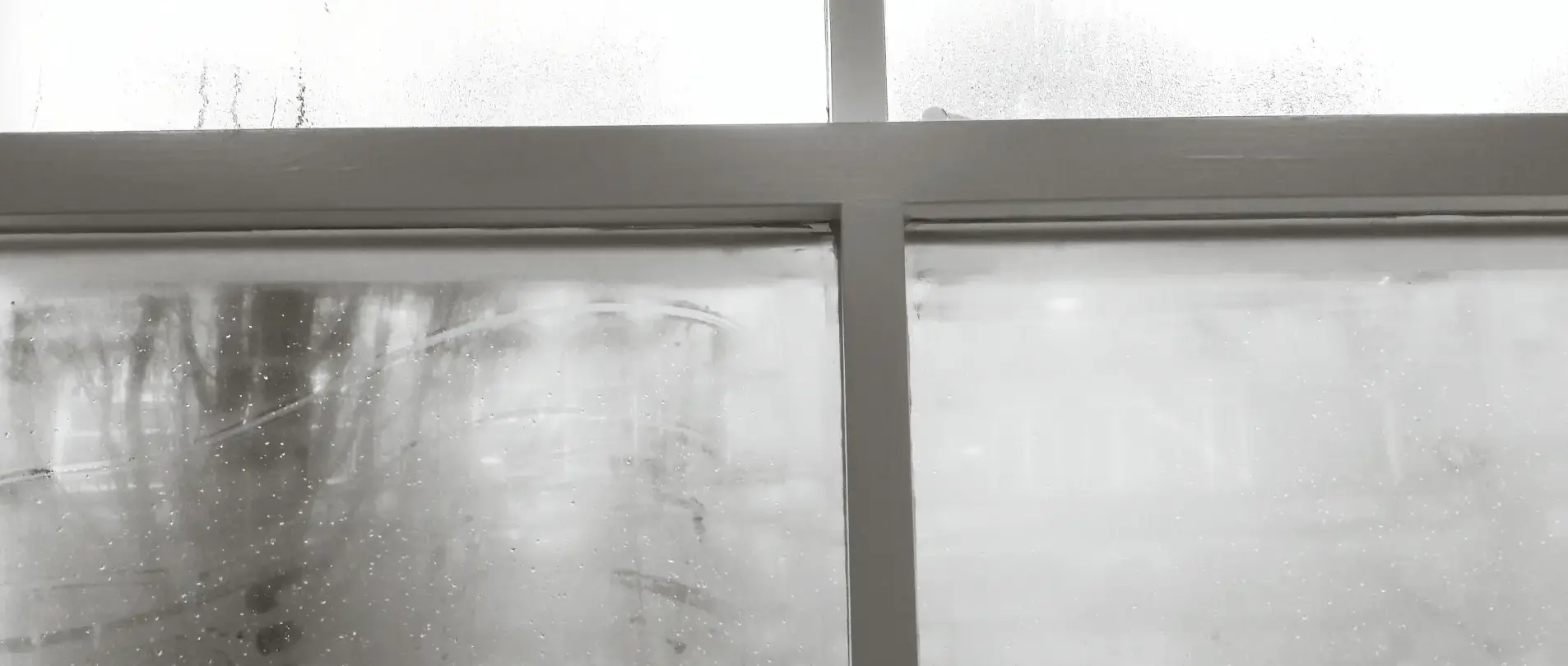
Broken or failed window seals are some of the most common problems with double-glazed windows, and this is because the seals do a lot of quiet, unglamorous work.
There are two main types of seals: the insulated glass unit (IGU) perimeter seal that bonds the two panes and keeps the argon inside dry, and the flexible gaskets/weather-strips that compress when the sash closes. When either of these deteriorates, your window's performance can drop quickly, and heat can leak out, and moisture can seep in.
Years of UV exposure, temperature changes, building movement, and everyday usage can wear out the sealant and gaskets. Additionally, installation faults, such as missing glazing packers, poor toe-and-heeling and an over-reliance on external silicone can accelerate this wear and tear.
Blocked weep holes also allow water to sit against the seals, harsh chemicals or pressure-washing can damage the gaskets, and after the 10-20-year mark, many IGUs reach the end of their lifespan due to corroded spacers and saturated desiccant.
Difficulty Opening or Closing Windows
A well-set window should open and close with minimal pressure and a smooth turn of the handle. When you’re pushing, lifting or jiggling the sash to make it latch, something in the frame, hardware or seals has drifted out of alignment.
The typical causes of this issue are worn friction hinges (stays), misaligned keeps and espagnolette locks, and sagging sashes where the screws have loosened or where the glazing hasn't been correctly toe-and-heeled.

Constant building movement and temperature fluctuations can also knock the frame a few millimetres out of alignment, which is enough to make the sash bind.
The common signs of stiff windows are scraping noises, uneven gaps around the sash, a handle that won’t turn fully, a key that sticks, or visible daylight peering through one corner. You might also notice draughts, whistling, or rattling when a door slams, which are signs that the weather seal isn’t compressing properly either.
Forcing a stuck window to open and close can crack the glass, strip the gearboxes, and cause the window to fail completely. Keeping the drainage slots clear and lubricating the frame's hardware annually can help prevent the window from locking and becoming hard to open.
Damaged or Faulty Locks and Handles
Damaged or faulty locks and handles are some of the most common problems with double-glazed windows since they’re the parts you use every day.
Most modern uPVC and aluminium units rely on multi-point locking, which is an espagnolette gearbox driven by the handle that throws cams or shootbolts into the metal keeps around the frame. When any of these components wear out, loosen, or fall out of alignment, the window becomes hard to secure, which can compromise your safety.
Damage to the locks and handles is usually the result of everyday wear on the espag gearbox, loose screws, dried or contaminated grease in the mechanism, and slight sash drops that misalign the cams with their keeps. Additionally, the handles can drop, refuse to turn fully, or spin 360° when the spindle shears, and the keys can jam if the cylinder is worn out or if the handle isn’t returning to the correct position.
draughts and Leaks Around the Window Frame
Draughts and leaks around a window frame are the most common problems with double-glazed windows, and they rarely stay minor for long. A well-sealed frame should block air out and shed water, and when it doesn’t, your comfort and energy efficiency can become compromised.
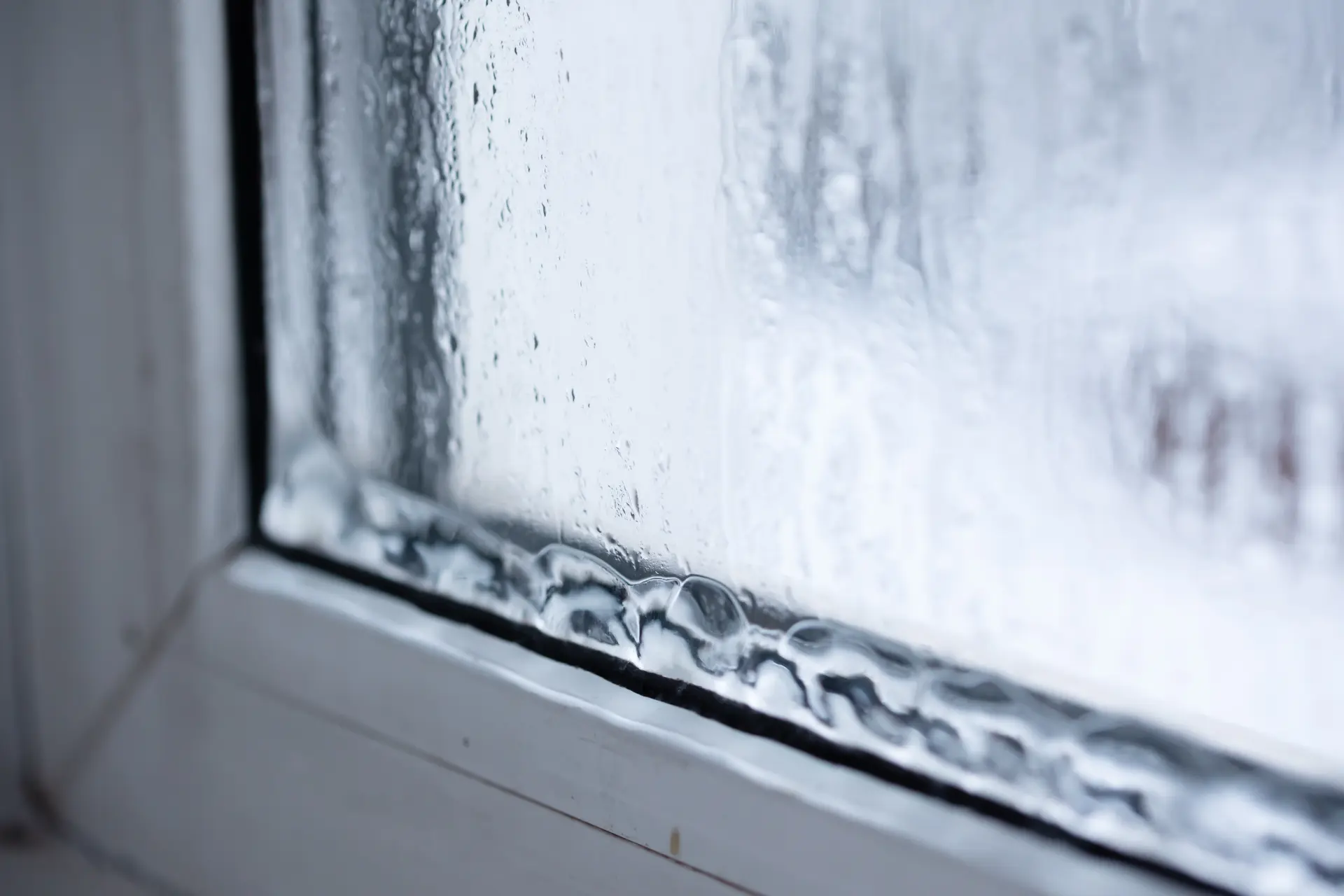
Perished or shrunken rubber gaskets, cracked exterior sealant (mastic), and misaligned sashes that no longer compress evenly are the main reasons draughts and leaks occur. Building movement can also move the frame out of alignment, which can create hairline gaps.
Blocked or missing drainage holes can also let water pool inside the frame, and wrong glazing packers, inadequate toe-and-heeling, or an over-reliance on silicone can also cause leaks.
However, draughts and leaks are notoriously easy to spot. Whistling or rattling, curtains that move when the window's shut, and visible daylight at the corners are all signs that there's a draught, and water stains, peeling paint, black mould, and swollen sills are all signs that there's moisture ingress.
At Window Fix Direct Kent, we can restore your comfort with our expert double glazing repairs in Maidstone, Canterbury, Margate and Kent. We can fix failed seals, misted windows, cracked panes, draughts, stiff sashes, and more, fast and affordably.