Find out how to spot when your double glazing needs repair with expert signs like condensation, cracks, and draughts. Enhance energy efficiency and safety today.
Condensation Between the Glass Panes
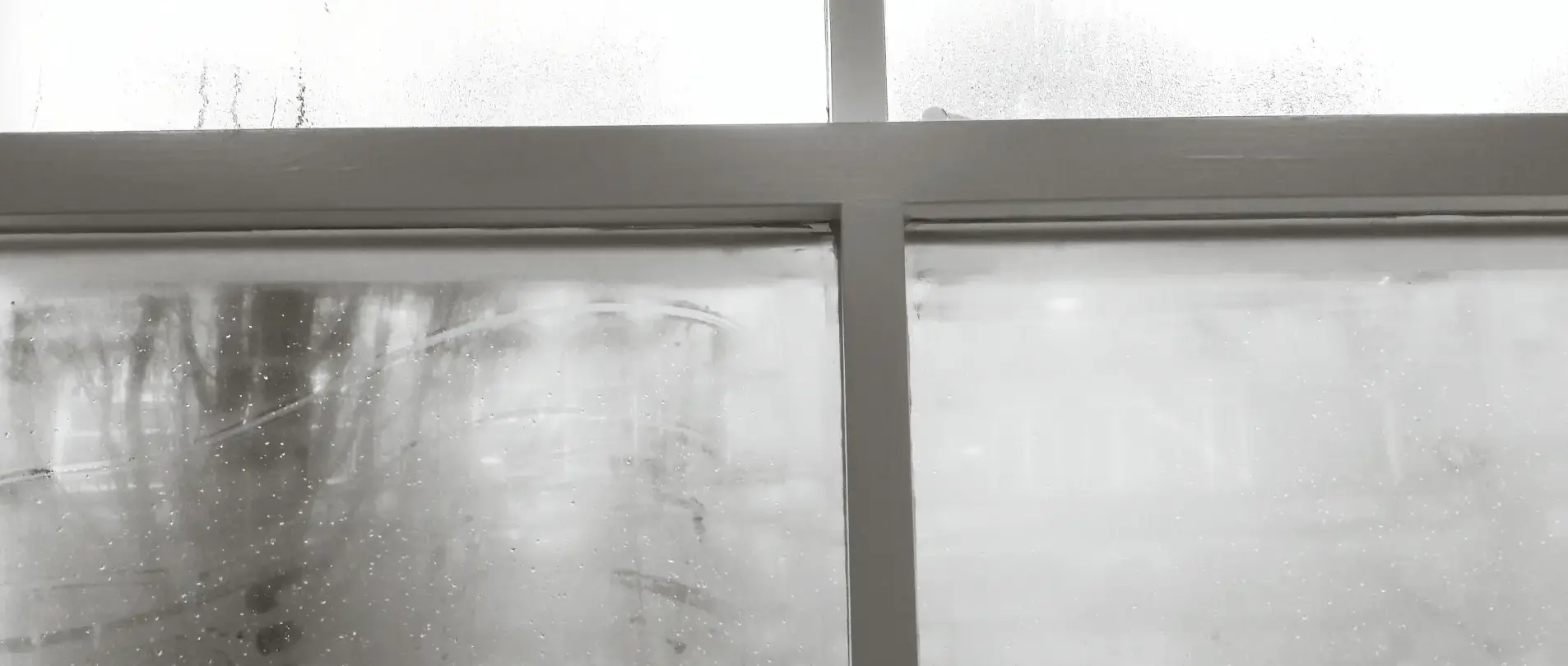
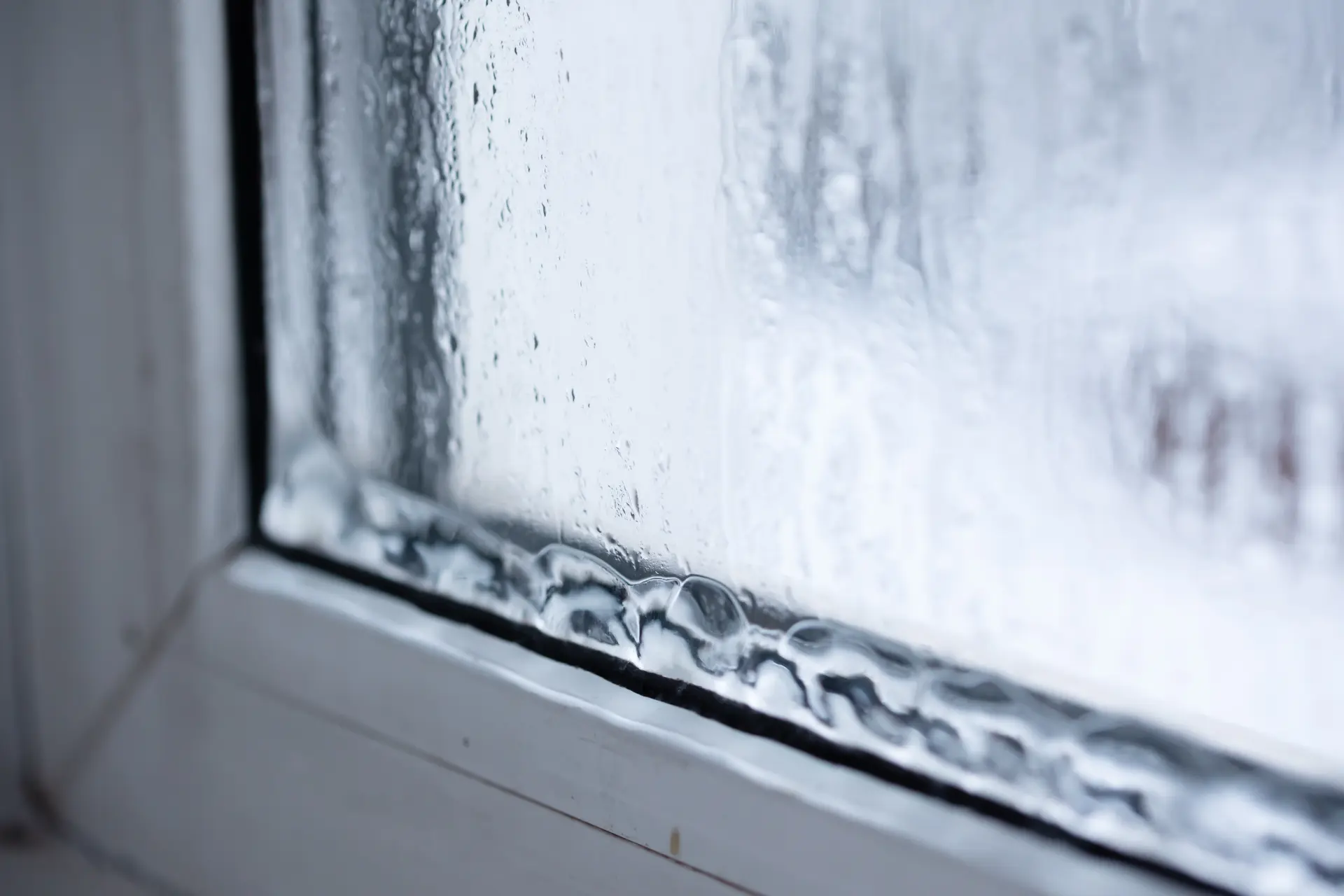
Condensation that's trapped between the panes of a double-glazed window is one of the most obvious signs the window needs repairing. Unlike misting on the room-side glass, which you can wipe away, inter-pane fogging sits inside the cavity and won’t budge.
Fogging occurs when the seal around the insulated glass unit (IGU) fails, and once the airtight barrier is compromised, the inert gas escapes and moisture-laden air is drawn in. When the barrier fails, the desiccant inside the spacer bar will become saturated, and vapour will condense on the inner panes.
When condensation appears between the panes, the window’s thermal efficiency drops, causing rooms to become colder. Additionally, damp inside the unit can also stain the glass, corrode the spacers, and cause mould to grow on the surrounding frames and reveals.
The common causes of condensation are deteriorating seals, UV exposure, thermal expansion and contraction, building movement, blocked drainage holes in the frame, and poor installation. If you notice that you're windows frequently fog up or have tiny water droplets between the panes, the IGU is likely damaged and needs to be replaced.
Cracks, Chips or Damage to the Glass
Cracked, chipped or damaged glass is one of the clearest signs that your double glazing needs fixing. Unlike a small scuff on the frame, a crack or chip in the pane can undermine both your safety and the glazing's performance.
Hairline cracks usually appear at the edge of the pane and are usually the result of pressure, such as thermal pressure or any movement within the building. Tiny chips can appear on the corners or along the beading of the panes, and these scratches and scuffs are usually caused by abrasive cleaning.
Thermal stress from strong temperature changes, knocks from your furniture, building movement, and a poor installation can all damage your double glazing.
Once a pane is cracked, the sealed unit becomes vulnerable; the insulating gas can leak out, moisture can creep in, and condensation can develop between the panes. When this occurs, you will begin to notice a reduction in energy efficiency, colder spots near the window, and poor sound insulation.
Light scratches on the surface can sometimes be fixed and polished by a specialist, but structural cracks in an insulated glass window aren’t typically repairable; instead, it's best to replace the sealed panels within the existing frame.
A competent installer will measure the frame, check the packers and drainage, and fit a new unit with low-E glass, warm-edge spacers, and argon to restore the glass' thermal performance.
Excess Noise Coming Through the Windows
Excess noise suddenly coming through your windows can be more than an annoyance, and it’s a classic sign that your double glazing needs repairing. A well-performing insulated glass unit (IGU) and frame should muffle outside noises, voices and wind. However, when that silence disappears, it means that something in the window system has changed.
The common culprits of this issue are failed perimeter seals and worn gaskets. Once the airtight seal around the IGU degrades, the cavity no longer functions properly, and the panes can start to vibrate differently and allow more sound to enter.
Compressed or brittle rubber seals around the opening sashes can also leave tiny gaps that allow noise and draughts to seep in too. Misaligned hinges and locks can reduce the window's closing pressure, while warped frames or poorly fitted packers cause the glass to rattle.
The main way to fix this issue is to replace the perimeter gaskets and re-pack the glass, or upgrade the hardware for a tighter seal. However, if the sealed unit has failed, replacing the IGU within the existing frame can restore the glazing's performance.
Windows That Are Hard to Open or Close
Windows that are hard to open or close are a major sign that your double glazing needs repairing. A fully-functioning window should glide, seal and lock with ease.
When you need two hands, a sharp shove, or an awkward lift to latch the window, something has slipped out of balance. Worn friction hinges (stays), misaligned keeps and espagnolette locks, sagging or racked sashes, and perished or shrunken gaskets are some of the main causes of stiff windows.
Building movement, temperature changes, and everyday use can also knock a window a few millimetres off balance, which is just enough to make it bind. On uPVC frames, the screws can loosen and the sash can drop, and on aluminium or timber frames, swelling, warping, or paint build-up can create friction and cause the window to become hard to open and close.
The tell-tale symptoms of stiff windows are scraping noises, visible daylight on one corner, uneven gaps around the sash, a handle that won’t turn fully, or a key that sticks. You may also notice draughts, rattling or condensation, which are signs that the weather seal isn't compressing evenly either.
Forcing a stuck window to open can crack the glass, strip the gearboxes, and compromise the security of your window. Having the glazing repaired as soon as possible can improve the unit's airtightness and extend the lifespan of the frame and sealed unit.
At Window Fix Direct Kent, we can restore your comfort with our expert double glazing repairs in Kent. We can fix failed seals, misted windows, cracked panes, draughts, stiff sashes, and more, fast and affordably.