Learn the signs your double glazing needs repair so you can enhance your home’s thermal efficiency and reduce energy bills over time. This article explains how to spot problems early and how to decide whether your double glazed windows can be repaired or need replacing.
Condensation Between the Glass Panes
Condensation between the glass panes is a clear sign of faulty double glazing. This happens when the seal around the window fails, allowing moisture to creep into the space between the panes of glass and leading to misted double glazing. When the cavity is no longer airtight, the insulating gas can escape and humid air can enter, so water vapour condenses on the cooler inner surfaces.
Misted windows obstruct your view and signal a decrease in the window’s energy efficiency. Over time, this can affect your home’s insulation, leading to draughts and increased heating costs. If you spot condensation between the panes, it’s worth arranging a check to confirm whether the sealed unit has failed and if the glass unit can be replaced on its own or if the entire window frame needs attention.
Repairing foggy windows restores clarity, helps keep the cold outside, and prevents damp from coming into the property. Acting promptly can also protect surrounding frames from swelling or staining caused by trapped moisture.
Internal Condensation and the Dew Point
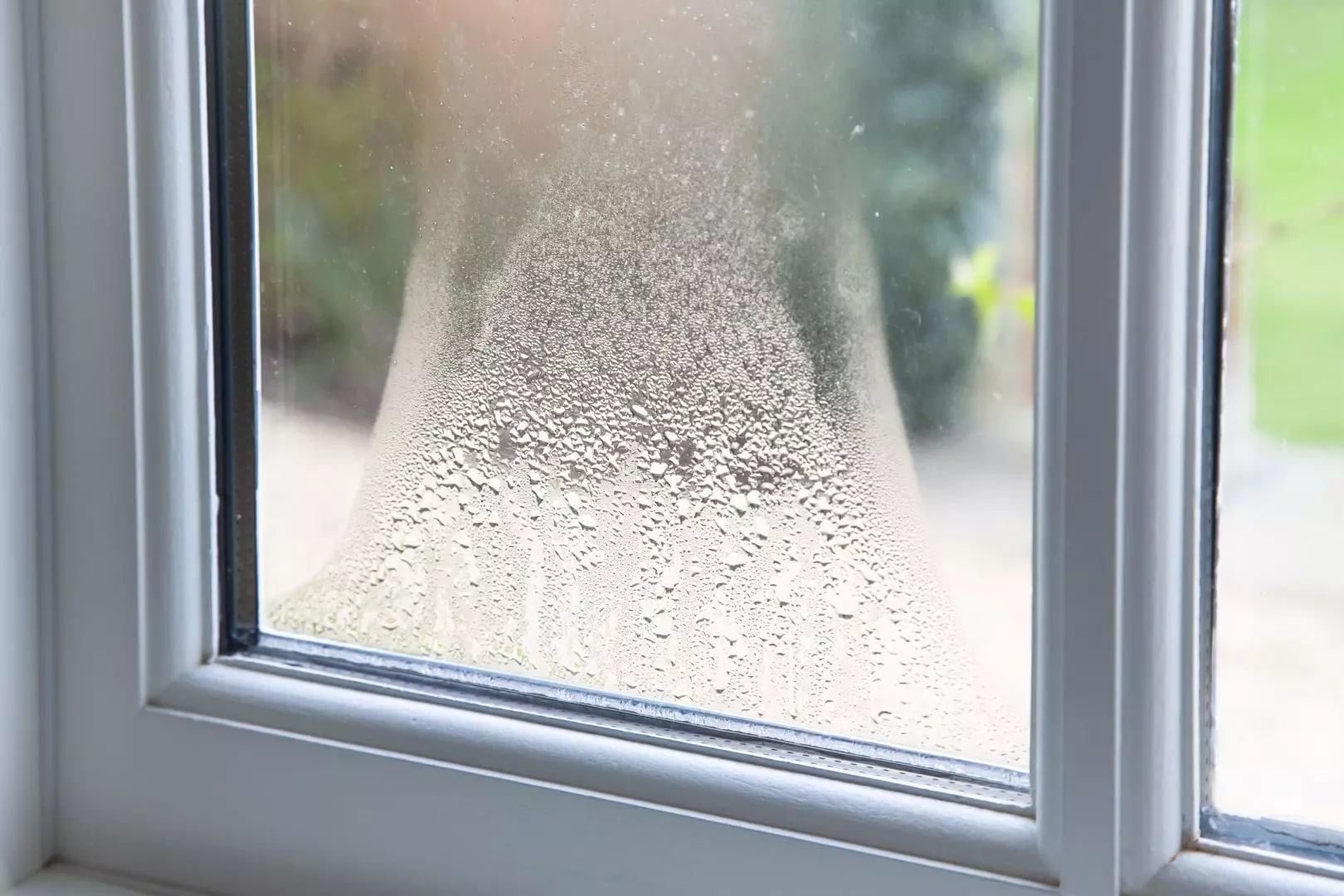
Not all condensation means a failed unit. If you see water on the room-side glass, the issue may be indoor humidity reaching the dew point on a cold surface.
Everyday factors like cooking, showers, and drying clothes add moisture to the air inside homes, so you may notice droplets on cold mornings even when the window seals are sound.
Improving ventilation, using trickle vents correctly, and keeping rooms at a stable temperature can reduce this type of condensation. A professional can check the seals to ensure the glazing isn’t leaking while also advising on ventilation to keep windows and doors clear.
Difficulty Opening or Closing Windows
Windows that are hard to open or don’t close smoothly often point to issues with alignment or worn components. Over time, frames can expand and contract with weather conditions, and hinges, handles, and locking points can wear.
If your sashes don’t sit square in the frame, tiny gaps can appear, letting cold air in and warm air out. This is more than an annoyance; it’s a sign your double glazing needs attention to maintain energy efficiency.
Leaving stiff mechanisms unresolved risks further damage to the frame and the seals. A simple service to realign, lubricate, or replace worn parts can restore a snug close and help keep the window airtight and watertight.

Rising Energy Bills and Uneven Room Temperatures
A sudden rise in energy bills can be a subtle sign of glazing problems. If seals have failed or gas has escaped from a double glazed unit, the insulating performance drops and you may feel cold patches or draughts around your windows.
Rooms may struggle to hold a steady temperature, so your heating runs for longer. Checking for condensation between the panes, inspecting gaskets, and looking for gaps around the perimeter of the window frame will help you find the cause.
Restoring the seal or replacing a failed unit can bring energy efficiency back in line and make your home feel more comfortable.
Loose or Damaged Seals
Perished seals let air and moisture leak into the unit or around the frame. Over time, UV light and movement cause gaskets to harden, crack, or tear. When this happens, you may notice tiny beads of water at the bottom of the glass, a faint whistling noise in windy weather, or that familiar chilly feeling near the reveal.
Replacing worn gaskets and resealing perimeter joints can often be enough to solve the issue without changing the entire window.
Discolouration or Warping of Frames
Discolouration, swelling, or warping indicates the frame has taken on moisture or has been stressed by temperature swings. Timber frames can expand if water finds its way past the outer seal, and some older plastics can become brittle or change colour with prolonged exposure to sunlight.
Warped frames don’t hold the panes square, which can stress the seals and shorten their life. Early repairs, such as re-securing fixings, improving drainage, or renewing weather seals, can stop the problem accelerating and keep the window operating as designed.
Leaks, Water Ingress and the Drainage Section
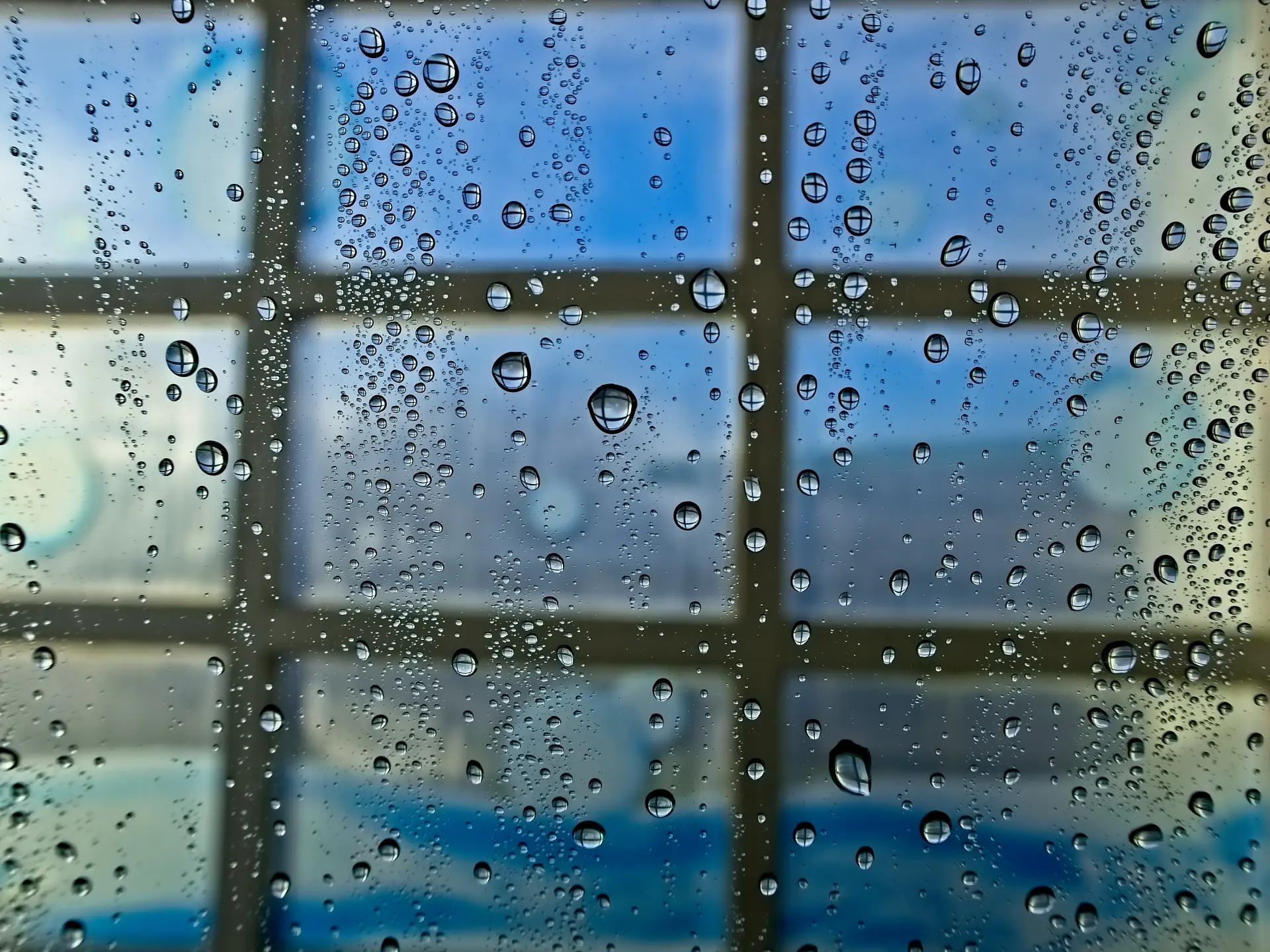
If you see water on the inside sill after rain, look closely at the drainage section built into many modern frames.
Small channels and weep holes are designed to direct water outside, but they can become blocked over time by dirt, insects, or flaking paint.
When the path is obstructed, water can back up and find its way inside. Clearing the weep holes, renewing external sealant, and ensuring the sill nose projects far enough beyond the wall can prevent leaks and protect finishes.
Chips, Cracks and Damaged Glass
Even minor chips and cracks weaken glass and can spread with temperature changes. Impacts near the edge are particularly risky because they stress the seal and the laminated layers on some units.
If you notice a star crack or a long tear line, arrange for the pane to be replaced before the damage worsens. Swift repairs reduce the chance of sudden failure and keep the unit airtight.
Outside Noise Getting Louder
One benefit of double glazed windows is a reduction in outside noise. If traffic, voices, or wind noise suddenly seem louder, it can be a sign of a failed seal or a gap that has opened around your frame.
Sound loves the same paths as air, so what sounds like a busy street may actually be a subtle air leak. Replacing gaskets, re-bedding the unit, or fixing misaligned hinges can restore the acoustic barrier.

Draughts and Cold Air Around Your Windows
If you can feel draughts around your windows on windy days, there’s usually a small but important gap. Pass your hand slowly around the edges and across the meeting rails to find where the air is coming from.
Sometimes it’s a simple adjustment to the keeps so the sash pulls tight; other times the weather seal has worn flat and needs replacing.
Fixing these gaps helps keep warm air inside, reduces cold spots near seating areas, and can trim those energy bills.
Fogging Without Condensation Between the Panes
A hazy look that doesn’t wipe away can mean the inner coatings have been attacked by prolonged moisture exposure after a seal failure. This kind of fogging often appears as smudgy white marks or rainbow patterns.
In this case the sealed unit has failed and will need to be replaced, because the coatings that improve energy efficiency have been compromised.
Locks, Handles and Safety
Wobbly handles, locks that don’t engage fully, or keys that won’t turn smoothly are not just annoyances. A latch that doesn’t pull the sash tight can leave a gap that invites moisture and cold air inside.
Replacing a tired espagnolette, adjusting keeps, or fitting new hinge packs can restore security and the essential compression that keeps the seal effective.

Gas Loss and Failed Units
Many double glazed units are filled with argon or a similar gas to improve thermal performance. Over time, and especially if the edge seal fails, that gas can escape.
You won’t see gas leaking, but you may notice a slow decline in performance, recurring condensation between the panes, or a colder inner pane to the touch.
In these cases the sealed unit will usually need replacing, though the surrounding frame can often be retained.
How Long Should Double Glazing Last?
A well-installed, good-quality unit can perform for 20 years or more, but exposure, orientation, and maintenance all play a part.
Windows facing prevailing weather tend to age faster, and frames that rarely get cleaned can suffer from clogged drainage or grit that wears the gaskets every time you open the sash.
Regular gentle cleaning, keeping weep holes clear, and avoiding harsh chemicals on seals will help extend service life.
When Does Double Glazing Need Replacing?
You don’t always need to replace the whole window when there’s an issue. If the frames are sound and the problem is limited to failed panes or worn gaskets, replacing the sealed unit or renewing the seals is often enough.
Whole-frame replacement is usually considered when there’s structural damage, persistent leaks from multiple points, significant warping, or when the windows no longer meet your energy efficiency goals.
If the glazing needs more than a simple repair and the frames are at the end of their life, a full upgrade can make sense, particularly if your existing windows are older designs with poor thermal breaks.
Common Installation Issues to Check
If problems appeared soon after fitting, look at installation details rather than the product itself. Frames should be plumb and level so the sash doesn’t bind. Packers must support the glass evenly, and perimeter sealant should be continuous with no gaps where water could track behind.
Where windows meet doors, the threshold and sill must be set to shed water away from the property. Asking an experienced installer to inspect the work can reveal whether your issue is due to the unit, the frame, or how the system was installed.
Guarantees, Aftercare and Who to Contact
Most reputable installers offer a guarantee on sealed units and hardware. Keep your paperwork and note the installation date so you can check whether repairs are covered.
If finance was used to fund the work, the credit provider may be authorised and regulated, and you may see wording in old documents referring to firms authorised and regulated by the Financial Conduct Authority.
If you have a query about those terms, the provider will explain anything regulated by the financial rules that applied at the time.
For practical glazing issues, your first contact should be the installer or a competent local specialist who can inspect, advise, and confirm whether units can be repaired or need to be replaced.
How do I know if my double glazing needs replacing?
People often ask, “How do I know if my double glazing needs replacing rather than repairing?” Look for multiple signs occurring together, such as condensation between the panes, noticeable cold spots, difficulty closing, and visible gaps around your window frame.
If several units across the property show the same symptoms and the frames are worn, full replacement may offer better long-term value. If one or two panes have failed but the frames remain sound, having the units replaced and the hardware serviced is usually sufficient.
Next Steps and Getting a Free Quote
If you’ve noticed any of these signs that your double glazed windows need attention, arrange a professional inspection to check seals, frames, drainage and hardware.
A specialist can confirm whether repairs will restore performance or whether your double glazing needs replacing. Many companies are happy to provide a free quote for both options so you can compare the costs and benefits and ensure the work is carried out by an experienced team.
Signs that your Double Glazing Needs Repair
Double glazing problems usually start small: a faint mist, a window that’s suddenly hard to open, or a draught near the sill.
Catching these early keeps heat inside, reduces noise and moisture issues, and protects your frames from further damage. Whether you choose to repair a failed unit or have a window replaced, timely action will help keep your home comfortable, secure, and energy efficient for years.
If you're ever having trouble with your double glazing and need assistance with repairs or replacements, then please get in touch. Our team will be happy to speak to you about any service you need for Maidstone and the surrounding areas of Kent.
Double Glazing Repairs Maidstone