If you’ve started to notice draughts, condensation, or rising heating bills, you may be asking yourself: “How do I know if my double glazing needs replacing?” Windows play a huge role in energy efficiency, comfort, and even security, so keeping them in good condition makes sense.
Below, we explore the common signs, the benefits of upgrading, and the factors to consider when deciding whether it’s time to replace your windows with double glazing.
Rising Energy Bills and Poor Insulation
One of the first signs that your existing windows may need replacing is an increase in your energy bills. Old single glazing, or even old double glazing that has deteriorated, often provides little protection against heat loss. This makes your heating system work harder, pushing up costs.
Modern double glazing is designed with two panes of glass separated by a gas cavity, often filled with argon gas or another inert gas, to improve insulation. This design helps your home retain heat in the winter and stay cooler in the summer. As a result, replacing your windows with energy efficient windows can lower your heating bills and reduce your carbon footprint.
Modern double glazing units also feature low-emissivity coatings that reflect heat back inside the room while still allowing natural light to enter. This technology improves thermal performance and provides UV protection for your carpets and furniture.
Noticeable Draughts and Cold Spots
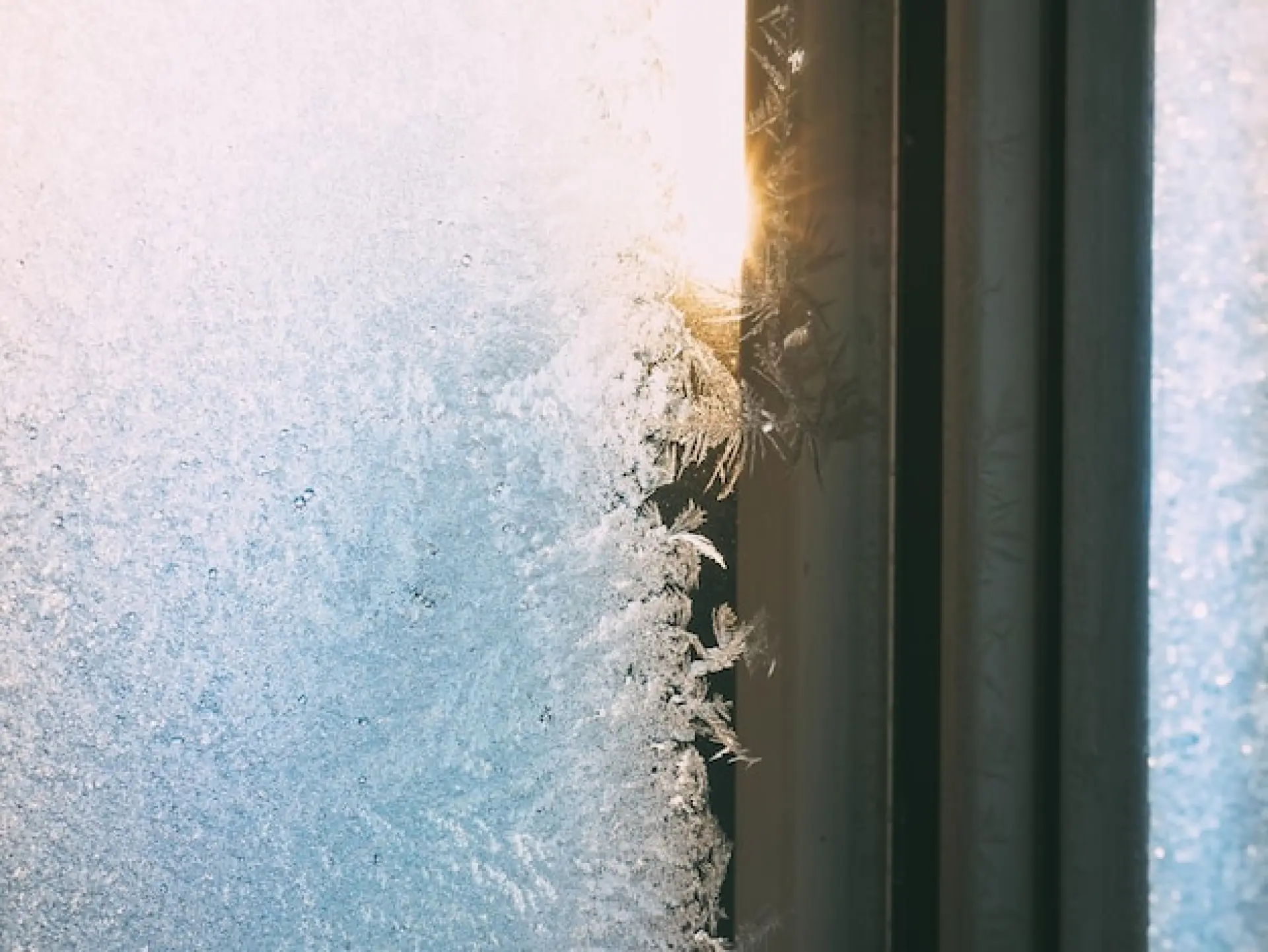
Do you feel draughts or cold air coming in around the frame, even when the windows are closed? This usually means the window seals or weather seal have failed. When seals break down due to age or wear and tear, they allow external air and moisture in, which reduces insulation.
If you can feel cold air seeping through or notice uneven temperatures in a room, this is a strong sign that your double glazing needs replacing. New double glazed windows with quality frames, whether uPVC, aluminium windows, or timber, are incredibly durable and provide long-lasting insulation against poor weather conditions.
Condensation Between Windowpanes
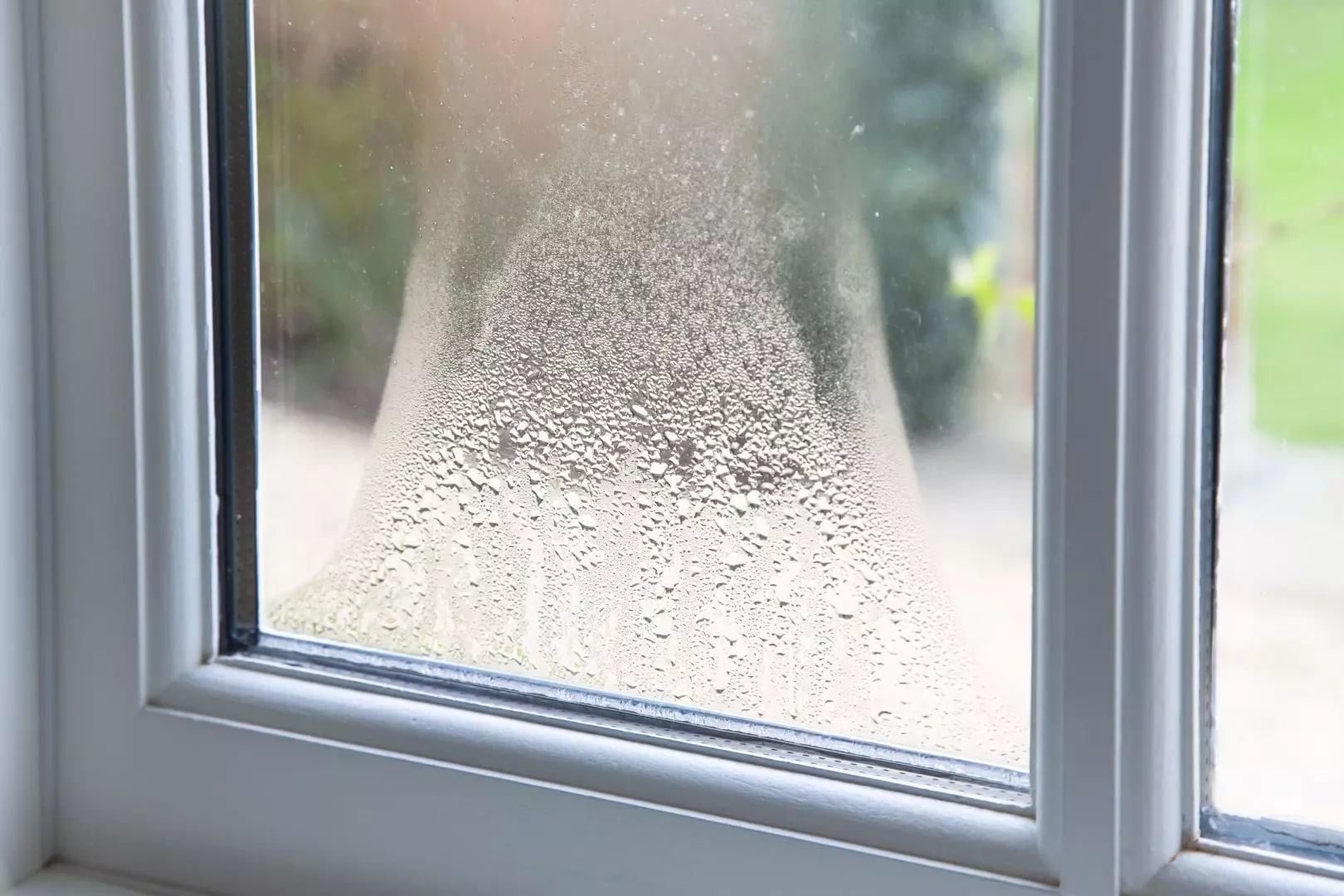
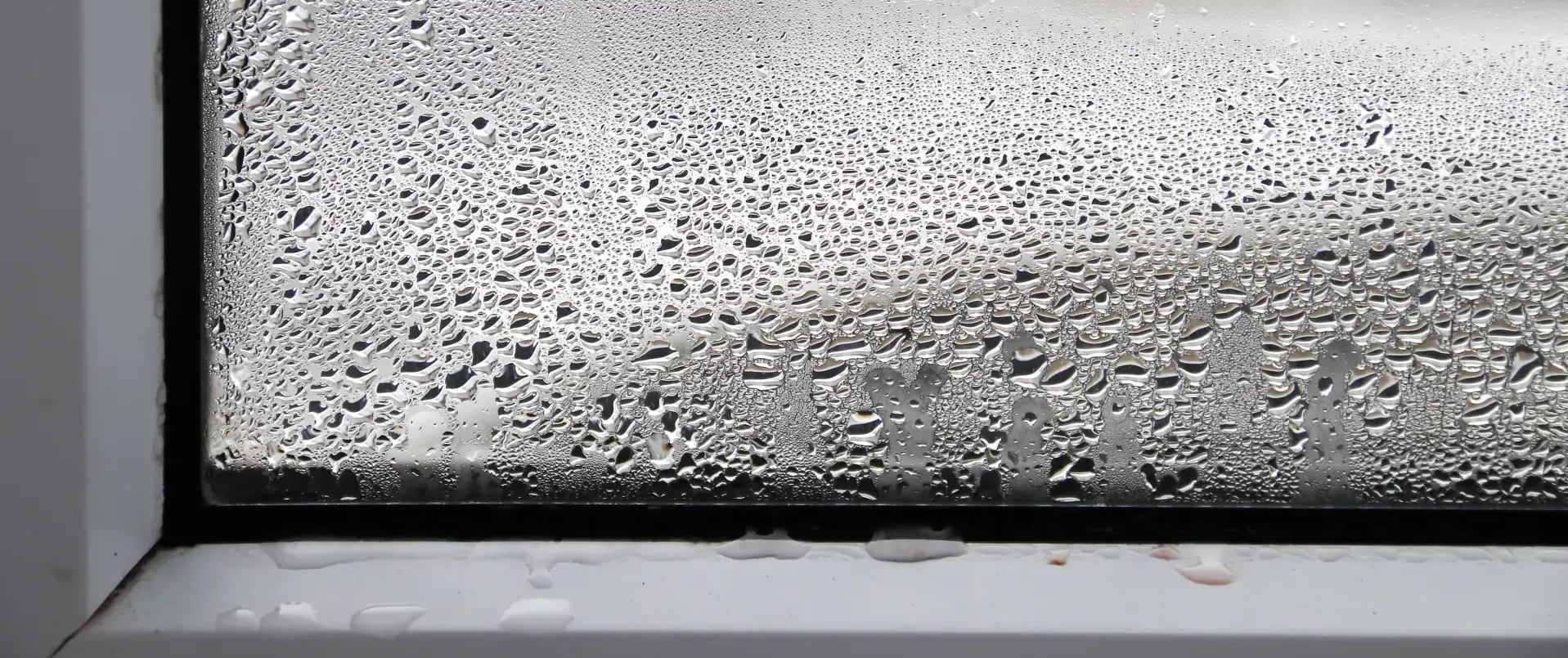
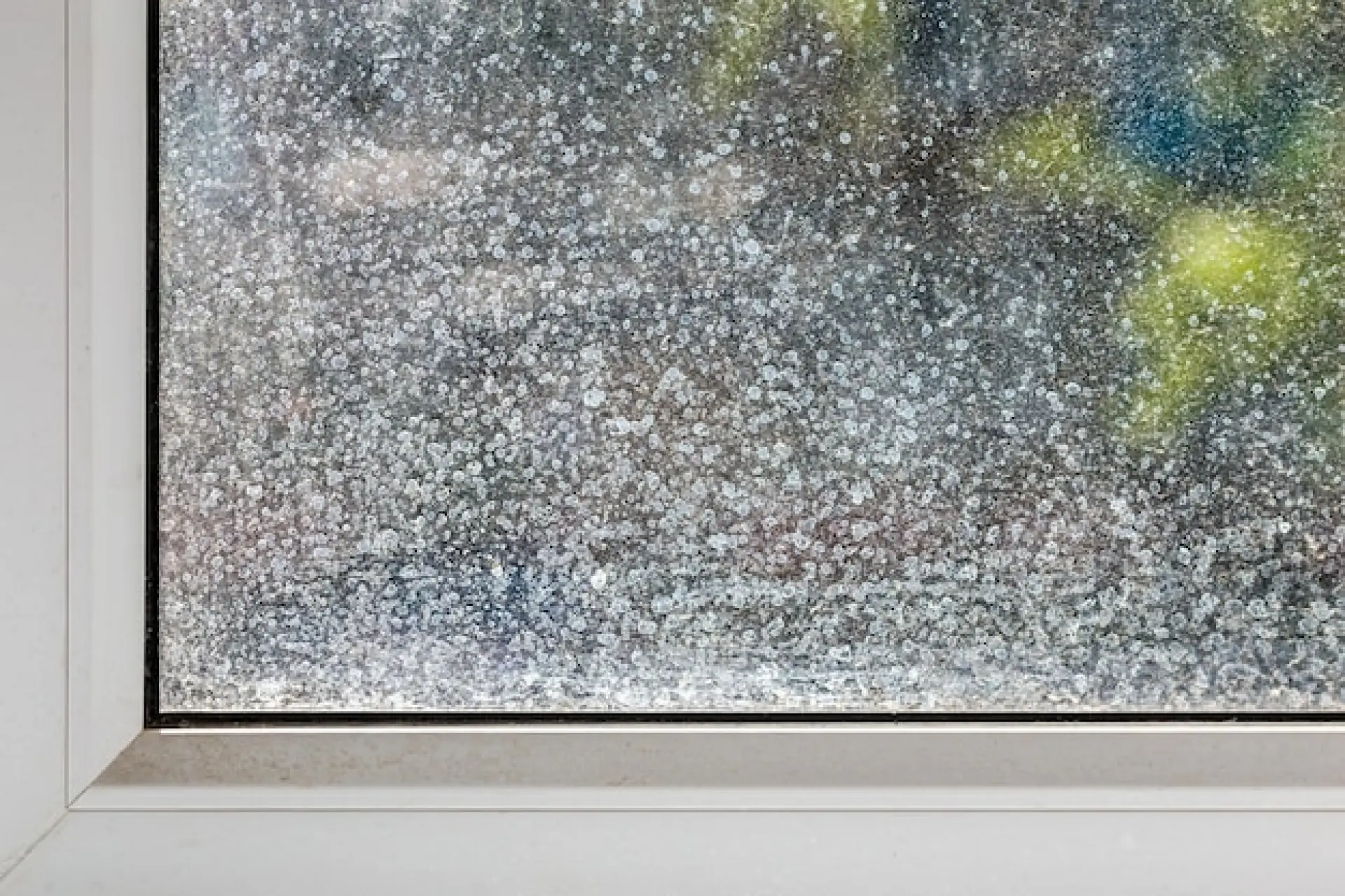
Condensation between the panes of glass is a common issue that indicates a seal has failed. Unlike condensation on the surface, which can be wiped away, trapped moist air inside the unit means the insulating layer is compromised.
This often results in fogging, misting, or water leaks, and is one of the clearest indicators that your double glazing needs replacing. A double glazed sealed unit is designed to prevent moisture ingress, but once the seal fails, the whole window’s ability to insulate is reduced.
If you’re noticing this problem, it’s time to replace double glazing with a cost effective solution that restores insulation and prevents mould, damp, and further damage around the window frame.
Difficulty Opening and Closing Windows
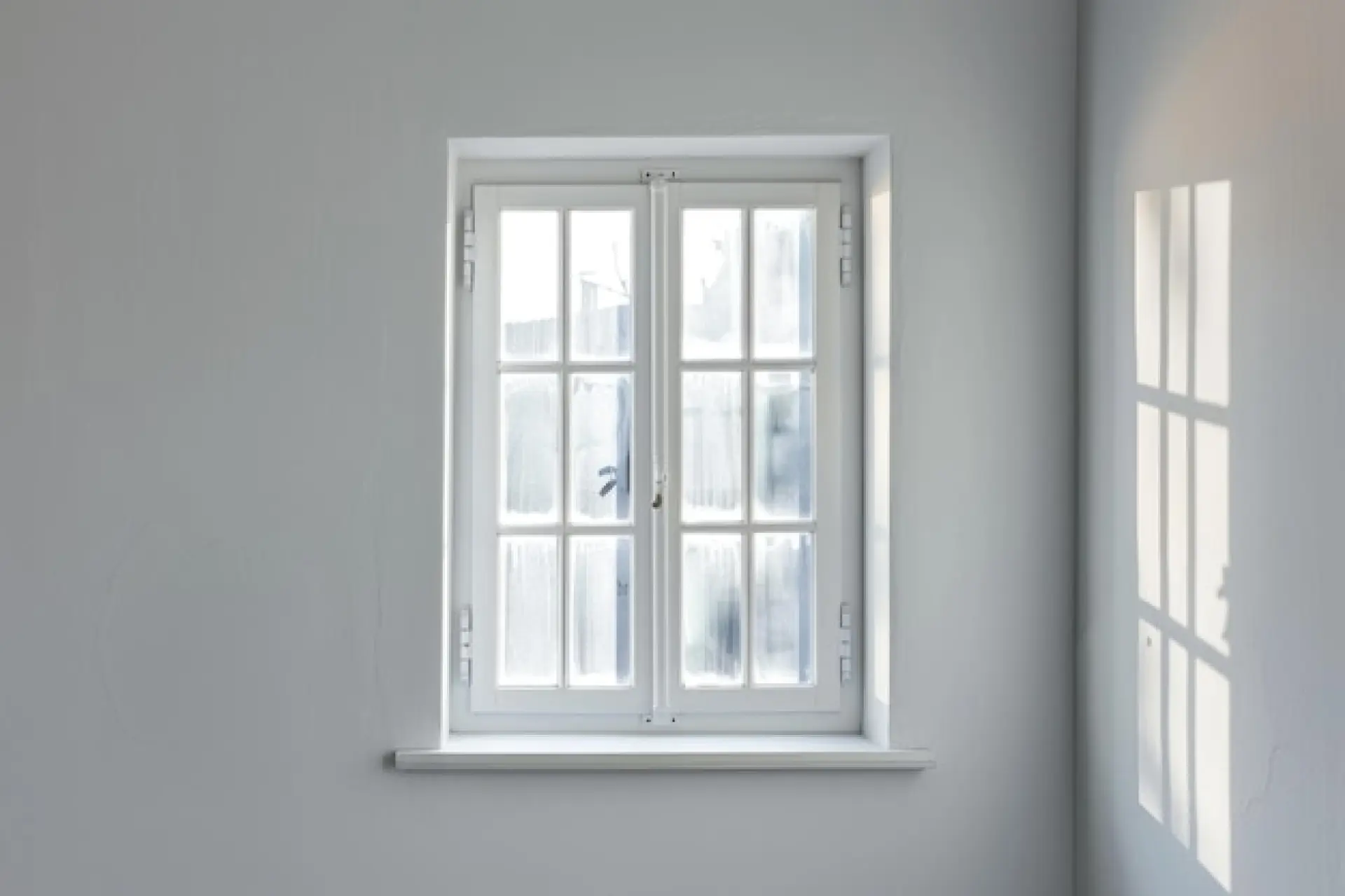
Older windows can become warped, swollen, or misaligned due to weather conditions, direct sunlight, or general wear over time. Wooden windows in particular may swell with moisture, while aluminium and uPVC windows can expand and contract in different temperatures.
If you have difficulty opening or shutting windows, or notice faulty hardware such as broken hinges or locks, this is a sign that replacement windows are required. Faulty hardware can also pose a security risk, making it easier for intruders to force entry.
Modern windows are designed for smooth operation, low maintenance, and enhanced safety. Replacing worn or faulty units with new double glazing improves both performance and peace of mind.
Excessive Outside Noise Entering Your Home
Windows are designed to reduce noise from outside, but older windows offer little protection against increased noise from traffic, neighbours, or bad weather. If you hear more noise than before, your windows may no longer be performing effectively.
Modern double glazed units can significantly reduce noise, and specialist acoustic glazing provides even better soundproofing. This upgrade has a huge impact on comfort, particularly if you live near main roads, in busy towns, or in the countryside where wind carries sound.
Visible Signs of Wear and Tear
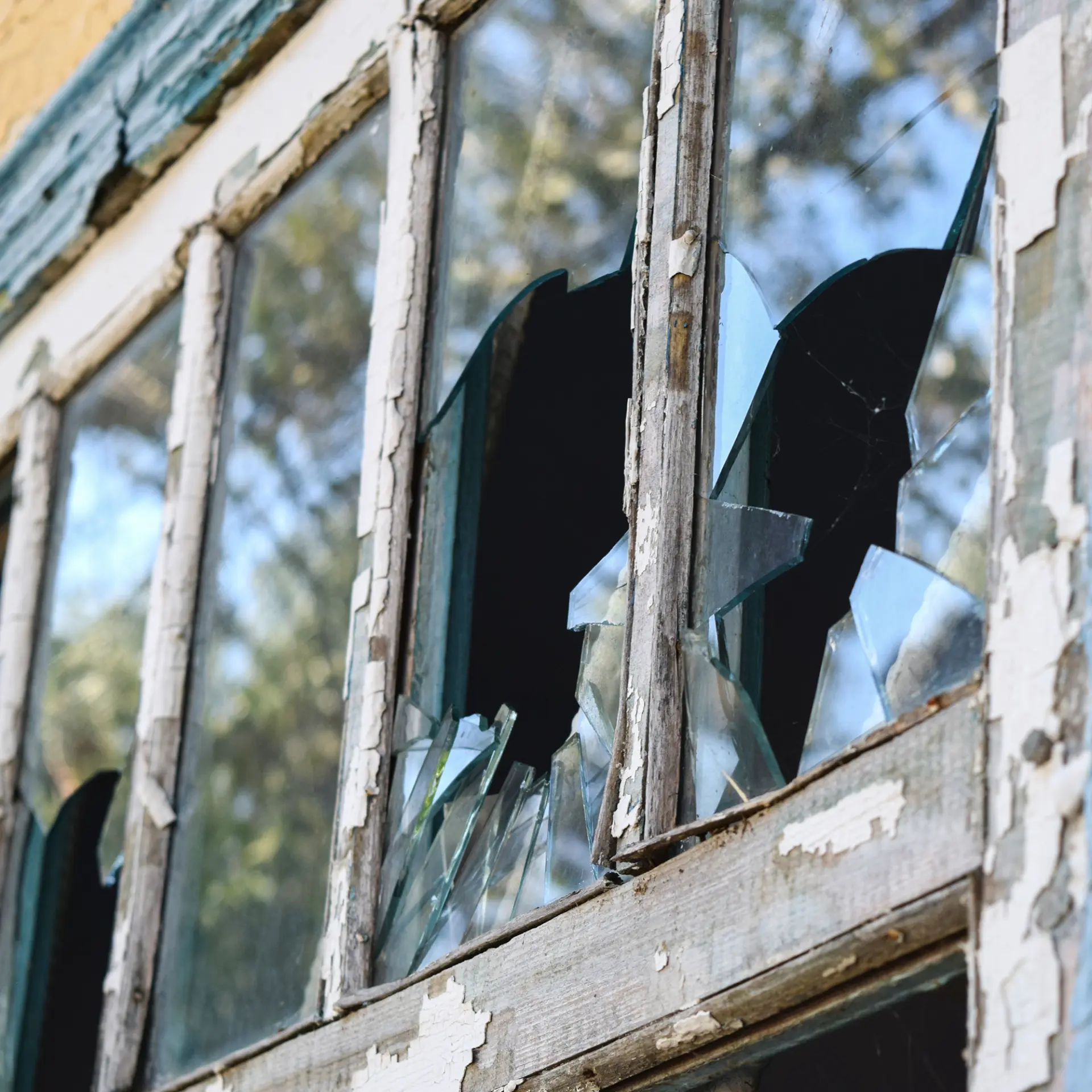
Another important factor is visible damage. Cracks, chips, rot or large cracks, or water leaking around the frame are signs that your windows are no longer fit for purpose. If you have an older property with wooden frames or a timber frame underneath painted windows, these can deteriorate quickly if not maintained.
Older windows may also have failed seals, warped frames, or worn away paint and sealant, all of which reduce their performance. While repairs may sometimes be possible, in many cases the whole window may need replacing to restore proper insulation and weather resistance.
Upgrading to Modern Double Glazing
If you’re considering a window replacement, new double glazing offers a range of benefits. Compared to old double glazing or single glazing, today’s energy efficient windows are designed with better window frame materials, improved seals, and high-quality glass panes.
Replacement windows come in a variety of styles, from PVC and aluminium windows to traditional timber frames suitable for period properties or conservation areas. Choosing the right style and material for your home ensures both functionality and design appeal. Modern double glazing also helps reduce your carbon footprint, improve insulation, and extend the lifespan of your windows. With many manufacturers offering a lifetime guarantee, it’s a cost effective solution in the long run.
How Long Do Windows Last?
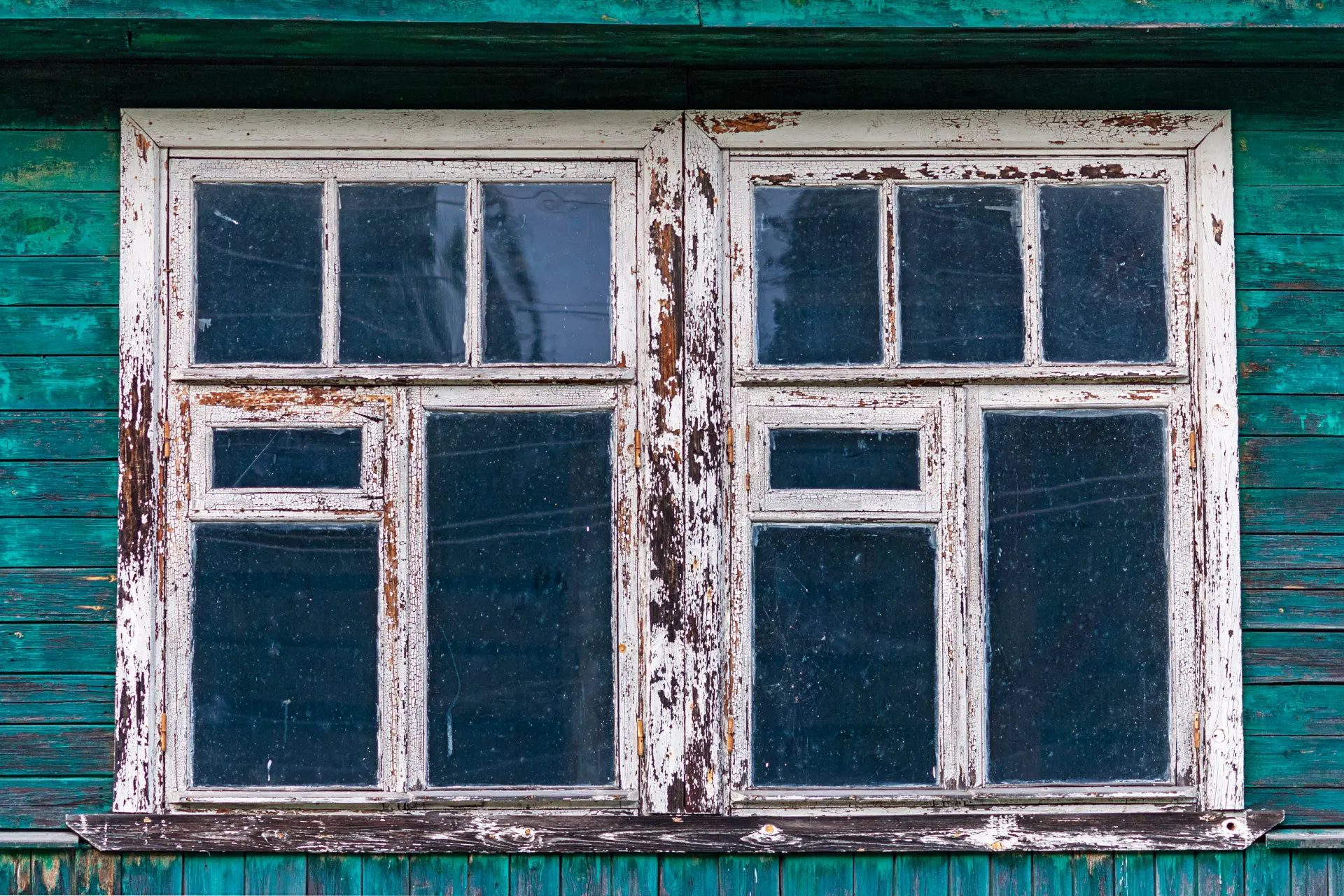
Typically, double glazed windows last between 20 years and 30 years, depending on the quality of installation, the materials used, and the local climate. However, older windows may need replacing sooner, particularly if you start noticing significant areas of condensation, draughts, or difficulty opening them.
Window replacement should not be delayed if double glazing units are damaged, as this can lead to increased bills, more noise, and further deterioration of your home.
Replacement Windows – What to Expect
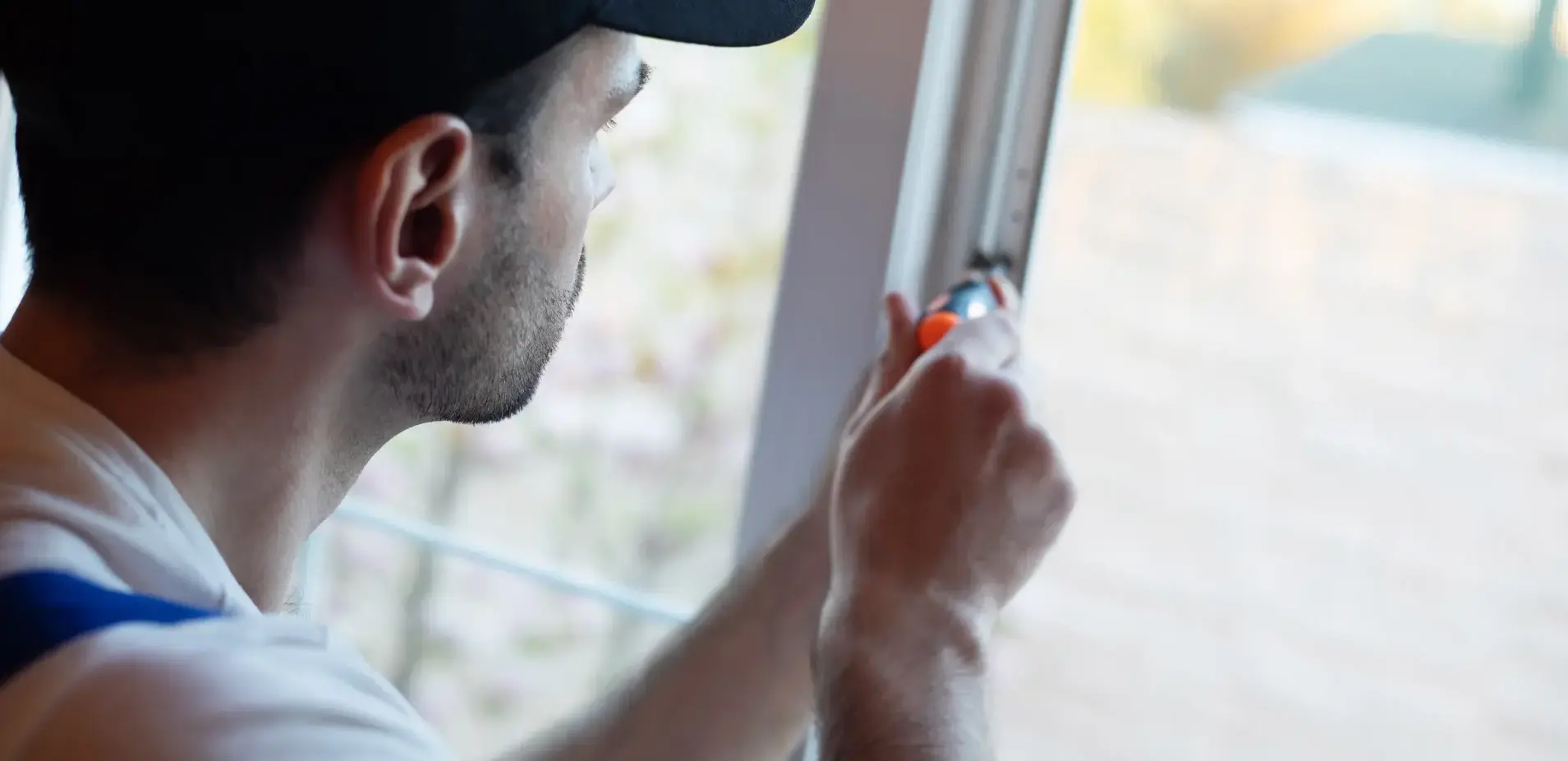
When you replace your windows, a professional installer will remove the old windows and fit new ones with precision. This ensures a tight fit around the frame and effective insulation against leaks, gaps, and draughts.
Installation quality is key, working with reputable installers ensures the whole window is fitted correctly, improving performance and extending lifespan. Professional advice is always recommended, especially if you live in exposed areas, face south with lots of direct sunlight, or have specific challenges such as acidic saltwater exposure near the coast.
Next Steps – Should You Replace Your Double Glazing?
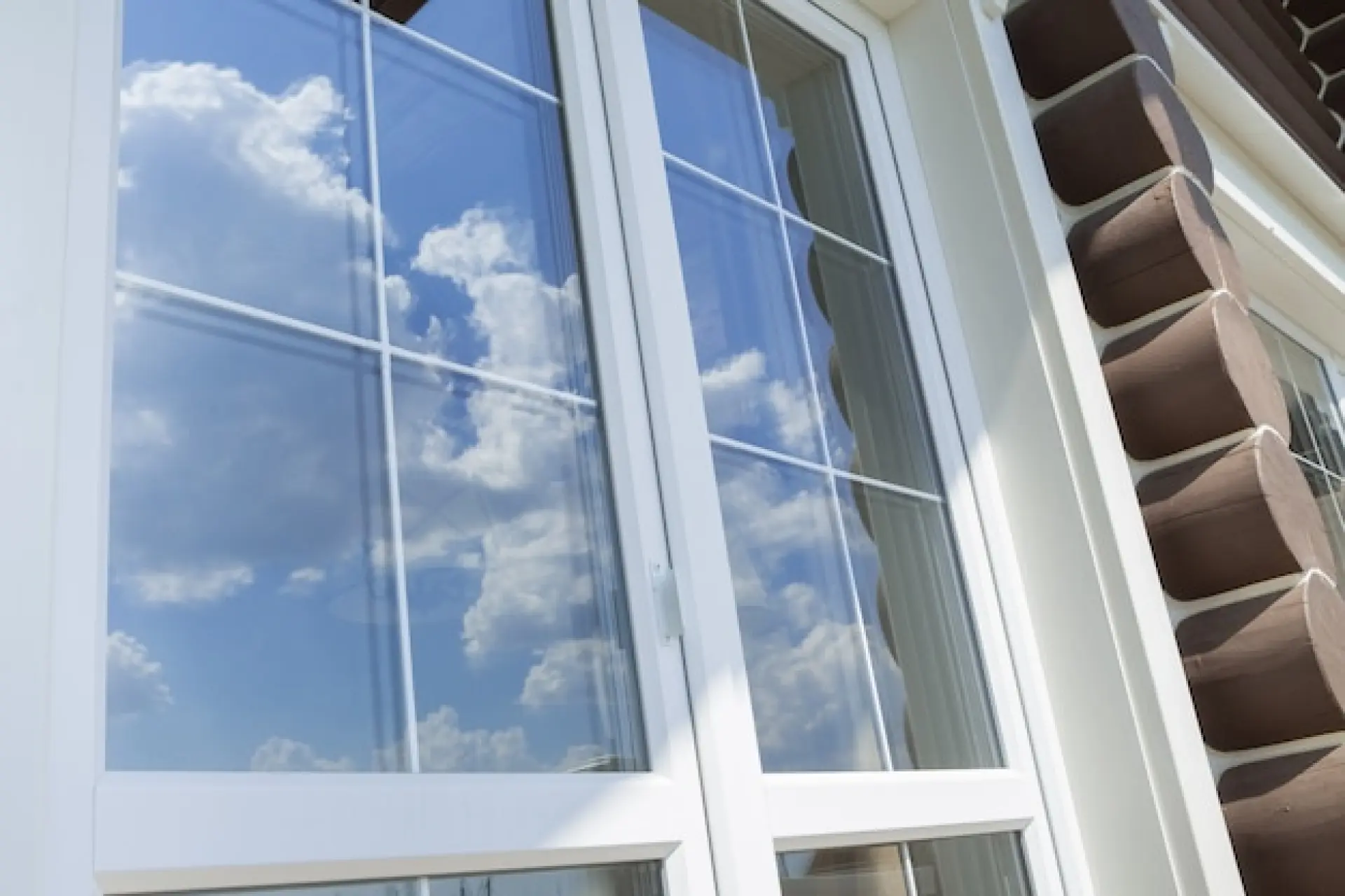
If you’re still wondering: “How do I know if my double glazing needs replacing?” look out for these key signs:
- Condensation between the panes of glass
- Difficulty opening or closing
- Draughts, leaks, or cold air around the frame
- Visible damage such as cracks or rot
- Increased noise entering your home
- Rising energy bills despite normal use
If you notice one or more of these, it’s time to consider a window replacement. Replacing your old double glazing with new double glazed units is a cost effective solution that improves insulation, comfort, and energy efficiency.
Time to Replace Your Windows with Double Glazing
Replacing worn or older windows has a huge impact on your home’s comfort, security, and energy efficiency. From reducing heating bills to cutting noise and improving thermal performance, modern double glazing is an investment that makes sense in the long run.
If you think your double glazing needs replacing, contact a professional installer for guidance, compare different window frame materials, and explore options that best suit your property. With the right choice, you’ll benefit from energy efficient windows, improved comfort, and lasting peace of mind.
Are you looking for a trusted double glazing company in Maidstone, Tonbridge, Kent and the surrounding areas? At Window Fix Direct Kent, we offer a range of double glazing services - all provided by our team of professional specialists.